

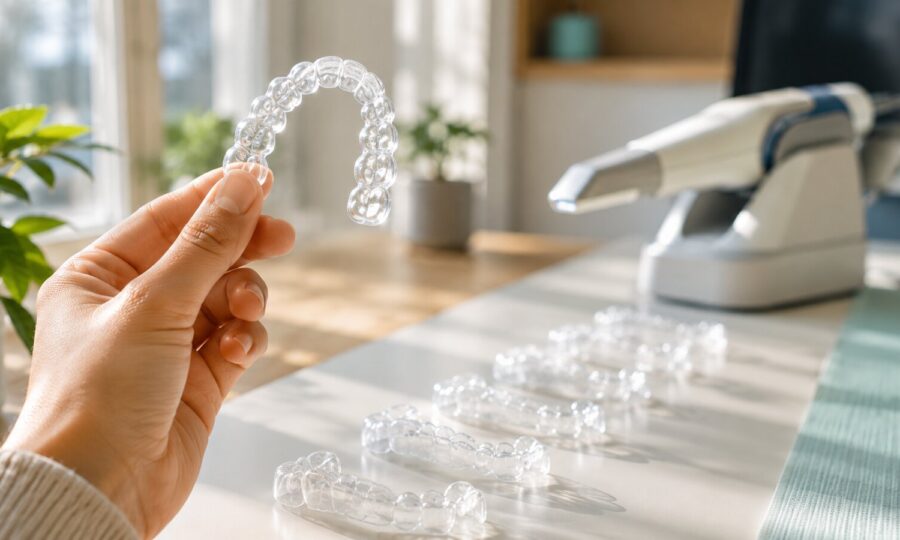
Invisalign works by moving your teeth a little at a time with a series of clear, custom aligners. You wear each set about 20 to 22 hours a day. Every week or two, you switch to the next set. Each tray is shaped slightly differently from your teeth today. So wearing it applies gentle, steady pressure. Your teeth move toward their planned position, set by set. That simple idea rests on careful orthodontic planning. At Krass Orthodontics in Ellicott City, Dr. David Krass plans and guides every case personally. So if you are wondering how Invisalign works, here is exactly what happens — from your first visit to your finished smile.
This guide walks through the whole journey. You will learn what the aligners do and how the process unfolds step by step. You will also see who makes a good candidate, how attachments help, and how long treatment takes. We will cover daily life with your trays, too. By the end, you will know what to expect and what to ask at your consultation.
What Is Invisalign, and How Does It Move Teeth?
Invisalign is a system of clear, removable aligners. They fit snugly over your teeth. There are no brackets and no wires. You take them out to eat and to brush. Each tray is shaped a little differently from your current teeth. That small difference creates gentle pressure. The pressure guides specific teeth toward their next position. Over the series, the bone around each tooth adapts to support its new spot.
Braces and aligners move teeth in similar ways. Both apply steady, controlled force over time. Braces use brackets and wires to do it. Invisalign uses the shape of each tray instead. The plastic is only part of the story, though. The real work is the orthodontics. That means deciding which teeth move, in what order, and how far.
Good planning is the difference. It is also why how Invisalign works depends so much on the orthodontist, not just the aligners. A doctor-directed plan beats a one-size-fits-all kit every time. Clear aligners can treat crowding, gaps, and a range of bite problems. For complex cases, traditional braces may still be the better tool. Dr. David will tell you honestly which option fits your smile.
How Invisalign Works, Step by Step
Here is how Invisalign works in practice. Your treatment follows a clear, predictable path:
- Consultation and candidacy. Dr. David confirms Invisalign is right for your case. It works well for mild-to-moderate crowding, spacing, and many bite issues. Complex cases may do better with braces, and you get an honest recommendation either way.
- A 3D digital scan. We skip the goopy impressions. Instead, we capture a precise 3D model with the iTero scanner. It is quick and comfortable. It also previews your projected result, so you can see the finish line before you start.
- Your custom plan and aligners. Dr. David maps the exact movements and the number of aligners needed. He sets the sequence tooth by tooth. Your trays are then manufactured to that plan.
- Wearing them. Wear each set 20 to 22 hours a day. Remove them only to eat, to drink anything but water, and to brush. Then advance to the next set on schedule.
- Check-ins and progress. Short visits confirm you are on track. Dr. David fine-tunes the plan if your teeth need more time. These visits are brief but important.
- Retention. When your teeth reach their planned spots, you are fitted for a retainer. It holds your new smile in place for the long run.
Each step builds on the last. Miss wear time, and the trays cannot do their job. Stay consistent, and the plan unfolds the way it was designed to. That predictability is one of the things patients like most.
What Happens at Your First Visit
Your first visit sets the tone for everything that follows. Dr. David examines your teeth, your bite, and your gums. He listens to what you want to change about your smile. Then he explains your options in plain language. There is no pressure and no jargon.
If Invisalign is a good fit, we capture your 3D scan that same day. The scan feeds the digital plan, where Dr. David maps each movement. You often get to preview your projected result on screen. That preview makes the plan real. It also helps you picture the finish before you commit.
Who Is a Good Candidate for Invisalign?
Most teens and adults are good candidates. Invisalign treats crowded teeth, spaced teeth, and many overbites, underbites, and crossbites. It is a popular choice for working adults because it is discreet. It also suits parents who want a low-profile option for a responsible teen.
Candidacy still depends on the details. Severe bite problems or badly rotated teeth can be harder to move with plastic alone. Consistent wear matters too. Aligners only work while they are in your mouth. If a patient will not wear them enough, braces may be the safer path. The American Association of Orthodontists recommends an consultation with a specialist, like Dr. David, to confirm the right approach. A quick visit answers the question for good.
What Are Invisalign Attachments?
Many cases use small tooth-colored attachments. We bond them to a few teeth. They give the aligners something to grip. That lets the trays perform certain movements with more control. Rotating a tooth or shifting a root often needs this extra grip.
Attachments are routine and comfortable. They are barely noticeable in daily life. They also come off cleanly when treatment ends. Occasionally, a tiny space is created between two teeth so they can align. That is normal and temporary. For a closer look, see our guide to Invisalign attachments.
How Long Does Invisalign Take?
Treatment length depends on how far your teeth need to move. Milder cases finish faster. More involved cases take longer. Many adults complete treatment in roughly a year, though your timeline is unique to your smile.
The biggest factor you control is wear time. Aligners only work while they are in. So consistent 20-to-22-hour days keep you on schedule. Skipping hours stretches the plan out. For most people, the routine becomes second nature within the first week. You can read candidacy details on the official Invisalign site, then bring your questions to a consultation.
Living With Your Aligners: Eating, Cleaning, and Habits
Daily life with Invisalign is simple once it clicks. You remove the trays to eat, so there are no food restrictions. You brush before putting them back in. That keeps food from getting trapped against your teeth. For more detail, see our guide to eating and drinking with Invisalign.
Cleaning the aligners is easy too. Rinse them when you take them out. Brush them gently with clear soap and lukewarm water. Avoid hot water, which can warp the plastic. Store them in their case, not a napkin, so they do not get tossed by accident. These small habits protect your investment and keep your trays clear.
Why How Invisalign Works Depends on Your Orthodontist
Plenty of offices offer aligners. Far fewer pair them with this level of experience. Dr. David is a dedicated specialist of orthodontics and is an experienced Invisalign provider. He is also Harvard-trained and board-certified.
Just as important, this is a family-owned practice. Patients get more doctor time here. So the specialist who plans your treatment is the same one who guides it, visit after visit. That continuity matters. Small corrections happen early, before they become big detours. That mix of expertise and personal care is what turns clear aligners into lasting results.
Cost should never be a mystery either. If you are weighing the investment, see how much Invisalign costs and our payment and insurance guide. Still deciding between options? Our braces vs. Invisalign guide compares them side by side.
Dr. David's take: “
One of the biggest misconceptions about Invisalign is that the trays do all the work.
In reality, the most important part happens before you even wear your first aligner. I carefully plan every tooth movement in 3D—what moves, when it moves, and how much it moves. The aligners are simply following those instructions. Precise planning is the key.
That's why orthodontist-directed Invisalign delivers results that others can't match.
”
— Dr. David Krass, board-certified orthodontist, Krass Orthodontics
Frequently Asked Questions
Does Invisalign hurt?
You may feel mild pressure for a day or two with each new set. That is a normal sign it is working. Most patients find it more comfortable than braces.
Can I take the aligners out?
Yes. You remove them to eat, drink, and brush. Just keep the time out short. They need to be in 20 to 22 hours a day to work.
Will Invisalign work as well as braces?
For many cases, yes. For complex corrections, braces may work better. Our braces vs. Invisalign guide breaks down the differences.
How do I know if I am a candidate?
The only sure way is a quick consultation. Dr. David will confirm whether Invisalign fits your case at your free consultation.
Is Invisalign worth it?
For most people who want a discreet, removable option, yes. We weigh the pros and cons in our guide to whether Invisalign is worth it.
Curious whether Invisalign is right for you? Book a free consultation with Dr. David at our Ellicott City office, or call (410) 465-5945. You will leave knowing your options, your timeline, and what to expect.
Keep reading
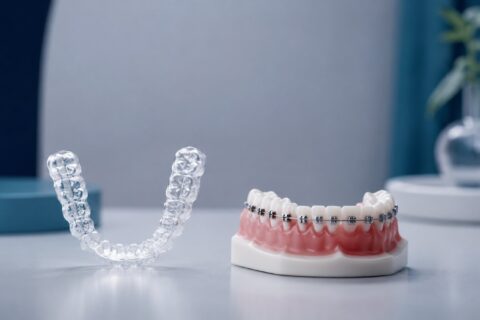
Braces vs. Invisalign: Which Is Right for You?
Braces vs Invisalign: how the two compare on cost, comfort, looks, treatment time and results, and how to decide which one fits…

How Much Does Invisalign Cost in Ellicott City?
Invisalign cost in Ellicott City depends on your case. Learn what drives the price, how insurance and FSA/HSA dollars help, and how…
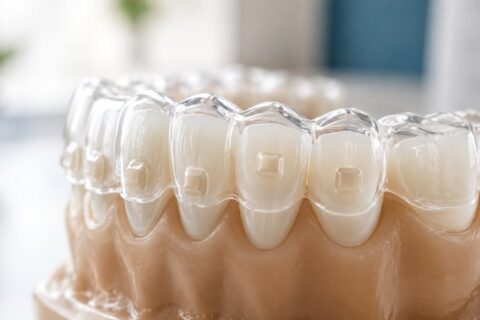
What Are Invisalign Attachments?
Invisalign attachments are small tooth-colored bumps that help aligners grip and move teeth. Learn what they do, whether they hurt and how…